A Complete Guide to Gabion Mesh: Types, Specifications, Selection & Applications
If you're a civil engineer, contractor, or landscape architect working on slope protection, riverbank revetment, or retaining structures, you've likely specified gabion mesh at some point. And for good reason — gabion structures are flexible, permeable, cost-effective, and environmentally friendly.
But with multiple mesh types, wire coatings, and aperture sizes available, choosing the wrong specification can lead to premature corrosion, structural failure, or budget overruns.
This guide covers everything you need to know to select the right gabion mesh for your project.
What Is Gabion Mesh?
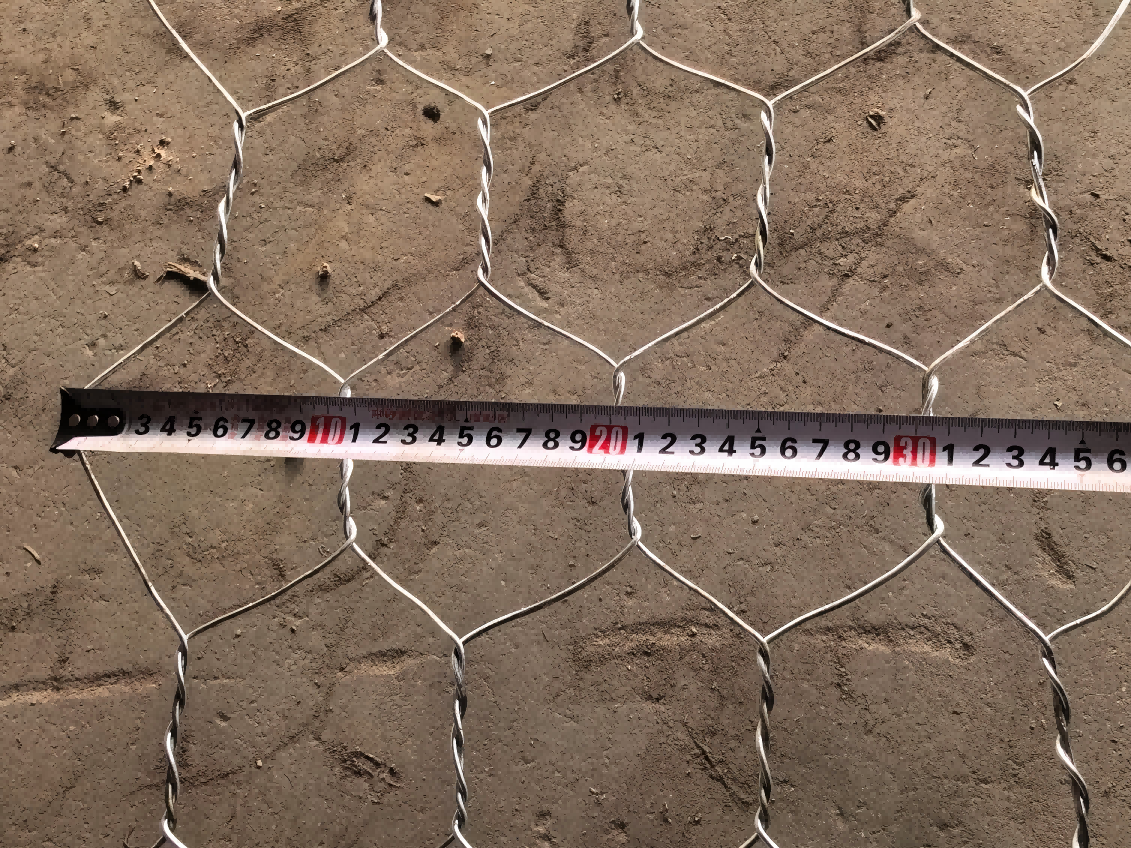
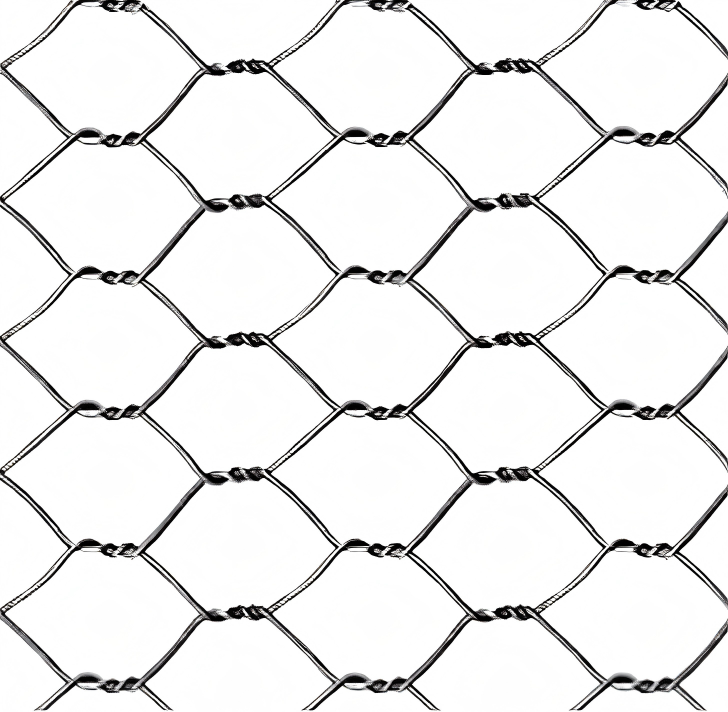
Gabion mesh (also called gabion wire mesh or "gabion" from the Italian gabbione meaning "big cage") is a double-twisted hexagonal wire mesh or welded wire mesh, formed into containers — boxes, mattresses, or rolls — and filled with stone on site. The result is a flexible, permeable, and durable structural element used primarily in civil engineering and landscaping.
How It Works
The stone fill provides mass and stability, while the wire mesh contains the fill and allows the structure to flex under settlement or hydraulic pressure without losing integrity. Water drains through naturally, eliminating hydrostatic pressure — a key advantage over rigid concrete structures.
Applicable Standards
| Standard | Region | Scope |
|---|---|---|
| YB/T 4190-2018 | China | Hexagonal double-twisted gabion mesh |
| ASTM A975 | US / International | Double-twisted hexagonal mesh for gabions |
| EN 10223-3 | Europe | Hexagonal steel wire mesh for gabions |
| EN 10223-8 | Europe | Welded mesh for gabions |
| CECS 353:2013 | China | Technical specification for gabion structures |
Types of Gabion Mesh
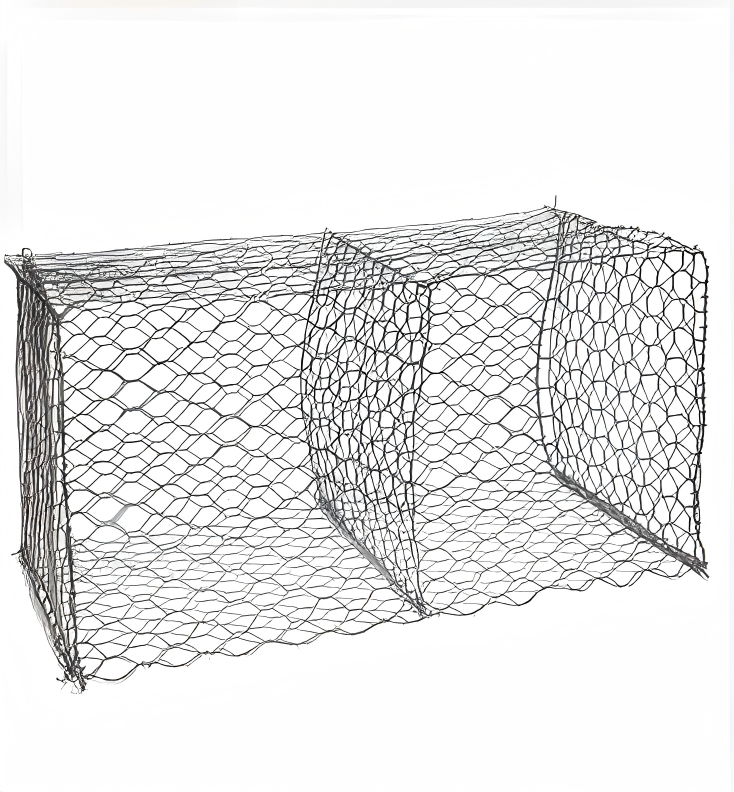
1. Gabion Box / Basket
The most widely used form. A rectangular container typically available in standard sizes such as 2x1x1m, 3x1x1m, and 4x1x1m, fabricated from double-twisted hexagonal mesh.
- Best for: Retaining walls, riverbank revetment, slope stabilization
- Typical aperture: 80x100mm (most common), 100x120mm
- Typical wire: 2.7mm — 3.4mm, hot-dip galvanized or Galfan
- Structure: Rigid box form with internal diaphragms every 1m for reinforcement
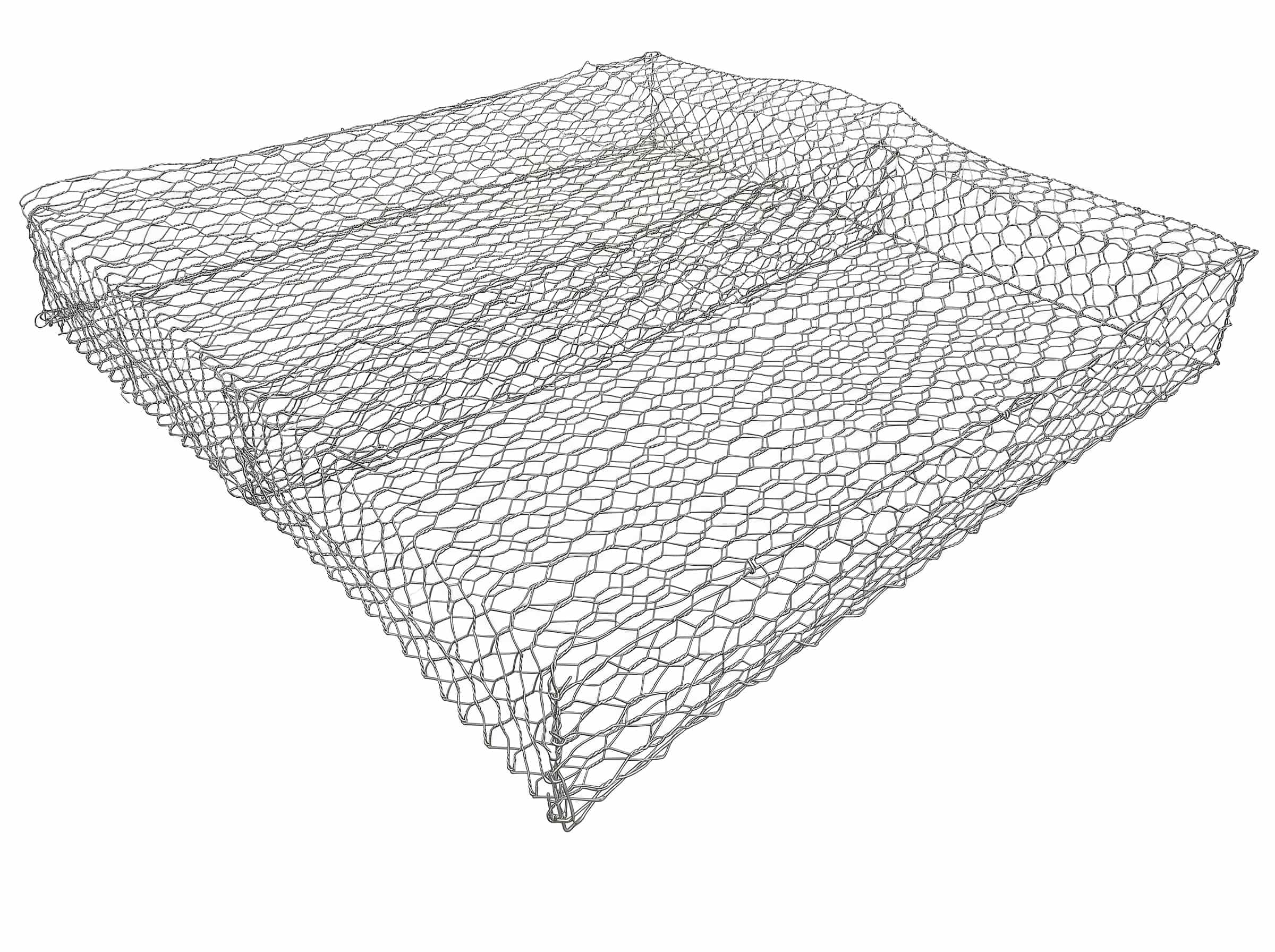
2. Gabion Mattress / Reno Mattress
A low-profile (typically 0.15m — 0.5m thick), wide-format gabion used primarily for hydraulic applications. Named after the Reno River in Italy where the technique was first developed.
- Best for: Riverbed lining, channel protection, scour prevention
- Typical aperture: 60x80mm
- Typical wire: 2.0mm — 2.7mm
- Structure: Wide and shallow, often with multiple cells
3. Hexagonal Wire Mesh Roll
Double-twisted hexagonal mesh supplied in roll form, designed for on-site cutting and fabrication into custom shapes.
- Best for: Custom fabrication, fencing, temporary erosion blankets
- Typical aperture: 60x80mm, 80x100mm
- Typical wire: 2.0mm — 2.7mm
- Structure: Flexible roll form
4. Welded Gabion Mesh Panel
Machine-welded rigid mesh panels (not double-twisted), offering higher tensile strength for heavy-duty applications. Each intersection is resistance-welded.
- Best for: Heavy retaining walls (8m+ height), bridge abutments, architectural facades
- Typical aperture: 75x75mm, 50x75mm
- Typical wire: 4.0mm — 6.0mm
- Structure: Rigid flat panels, assembled on site
Wire Coatings: Matching the Environment
The wire coating is the single most important factor determining the service life of a gabion structure.
| Environment | Recommended Coating | Service Life | Relative Cost |
|---|---|---|---|
| Dry inland, temporary works | Electro-galvanized (4-12 g/m²) | 1-2 years | 1x |
| General outdoor, inland river | Hot-dip galvanized (≥245 g/m²) | 10-30 years | 1.5x |
| Coastal / salt spray zones | Galfan Zn-5%Al (≥240 g/m²) | 20-50 years | 2x |
| Marine / industrial pollution | Galfan Zn-10%Al (≥260 g/m²) | 30-80 years | 2.3x |
| Acid rain / chemical exposure | PVC coated over HDG (≥0.5mm) | 30-50+ years | 2.5x |
| Extreme pH (3-11) / freeze-thaw | PVC over Galfan (≥0.8mm) | 50-80+ years | 3x |
| Landscape / architectural | PVC coated, color optional | 30-50 years | 2.2x |
General rule of thumb: For permanent civil engineering works (design life 20+ years), specify hot-dip galvanized (≥245 g/m²) as the minimum. For coastal or corrosive environments, upgrade to Galfan or PVC-coated.
Key Specification Parameters
Aperture Size
The opening dimension (width x length) of the hexagonal mesh. The aperture must be matched to the fill stone size:
- Fill stone should be 1.5 to 2 times the aperture dimension to prevent leakage
- Smaller apertures (e.g. 60x80mm) allow use of smaller fill material
- Larger apertures (e.g. 100x120mm) are more economical for large stone
Wire Diameter
Measured in millimeters, wire diameter directly affects mesh strength:
- Mesh wire: The spiral-woven wire forming the mesh body
- Selvedge wire: The edge wire along panel edges — must be 0.5-0.8mm thicker than the mesh wire
- Typical range: 2.0mm (light-duty) to 4.0mm (heavy structure)
Tensile Strength
Per EN 10223-3 and ASTM A975, the minimum tensile strength for gabion wire is 350-550 N/mm², depending on wire diameter and standard applied.
Applications by Project Type
| Project | Recommended Product | Aperture | Wire | Coating |
|---|---|---|---|---|
| River channel revetment | Gabion Box or Mattress | 80x100mm | 2.7mm | HDG / Galfan |
| Retaining wall, 3-8m height | Gabion Box | 80x100mm | 2.7-3.0mm | HDG / Galfan |
| Retaining wall, 8m+ height | Welded Gabion Panel | 75x75mm | 4.0-5.0mm | Galfan |
| Riverbed erosion control | Gabion Mattress | 60x80mm | 2.2mm | HDG |
| High-velocity channels (>4m/s) | Gabion Mattress | 60x80mm | 2.2-2.7mm | Galfan |
| Coastal seawall | Gabion Box | 100x120mm | 3.0-3.4mm | Galfan / PVC |
| Landscape feature wall | Gabion Box | 80x100mm | 2.7mm | PVC colored |
| Architectural facade | Welded Gabion Panel | 50x50mm | 5.0-6.0mm | PVC / Galfan |
How to Select the Right Gabion Mesh for Your Project
Step 1: Identify the structural function
Is this a gravity retaining wall, erosion protection mattress, or decorative feature? The structural type determines the product form.
Step 2: Assess the environment
- Freshwater or saltwater? → Determines coating grade
- Flow velocity? → Determines aperture size and wire thickness
- Design life required? → Determines coating durability
Step 3: Determine fill stone availability
Local stone size dictates the minimum aperture size. If only small stone is available, you need smaller apertures (60x80mm).
Step 4: Verify dimensional requirements
- Length, width, height of each gabion unit
- Internal diaphragm spacing (typically every 1m)
- Lacing wire and spiral binder requirements
Step 5: Specify coating and wire gauge
Match to environment using the coating selection table above. Never underspecify coating to save cost on a permanent structure — the cost difference between HDG and Galfan is small; the difference in service life is measured in decades.
Pro tip: Request mill test certificates for the wire to verify zinc coating weight and tensile strength before production.
Quality Indicators
| Indicator | Good Quality | Poor Quality |
|---|---|---|
| Zinc coating weight | ≥245 g/m² (HDG), meets or exceeds standard | Below standard, uneven coating |
| Wire surface | Smooth, uniform, no bare spots | Rough, flaking, visible uncoated areas |
| Weave consistency | Uniform hexagonal openings, tight twists | Loose twists, irregular openings |
| Selvedge edge | Thicker wire, properly twisted | Same diameter as mesh wire, weak |
| Dimensional tolerance | ±2% on panel dimensions | More than 5% deviation |
| Packaging | Compressed/bundled for container loading, edge protected | Loose, no edge protection |
Maintenance and Service Life
Gabion structures require minimal maintenance — one of their key advantages over concrete or steel structures. However, periodic inspection is recommended:
- Annual check: Look for broken wires, bulging panels, or stone loss
- After major floods: Inspect for scour at the base and damage from debris impact
- Coastal structures: Check for corrosion at the tidal zone every 2-3 years
With correct specification and installation, a properly coated gabion structure will last 20-50 years (HDG) or 30-80+ years (Galfan/PVC).
About Hangzhou Vertical Cross Metals Co., Ltd.
At Hangzhou Vertical Cross Metals, we manufacture gabion mesh for civil engineering projects worldwide. Our product range includes:
- Gabion Boxes — standard 2x1x1m, 3x1x1m, 4x1x1m and custom sizes
- Gabion Mattresses — for riverbed and channel protection
- Hexagonal Mesh Rolls — for custom fabrication
- Welded Gabion Panels — for heavy retaining structures
Every order is produced in accordance with applicable standards (YB/T 4190, ASTM A975, EN 10223) with full material traceability.
Planning a gabion project? Contact us with your project type, environmental conditions, and dimensional requirements — we'll recommend the right specification and provide a factory-direct quote.
First published on — News & Articles